

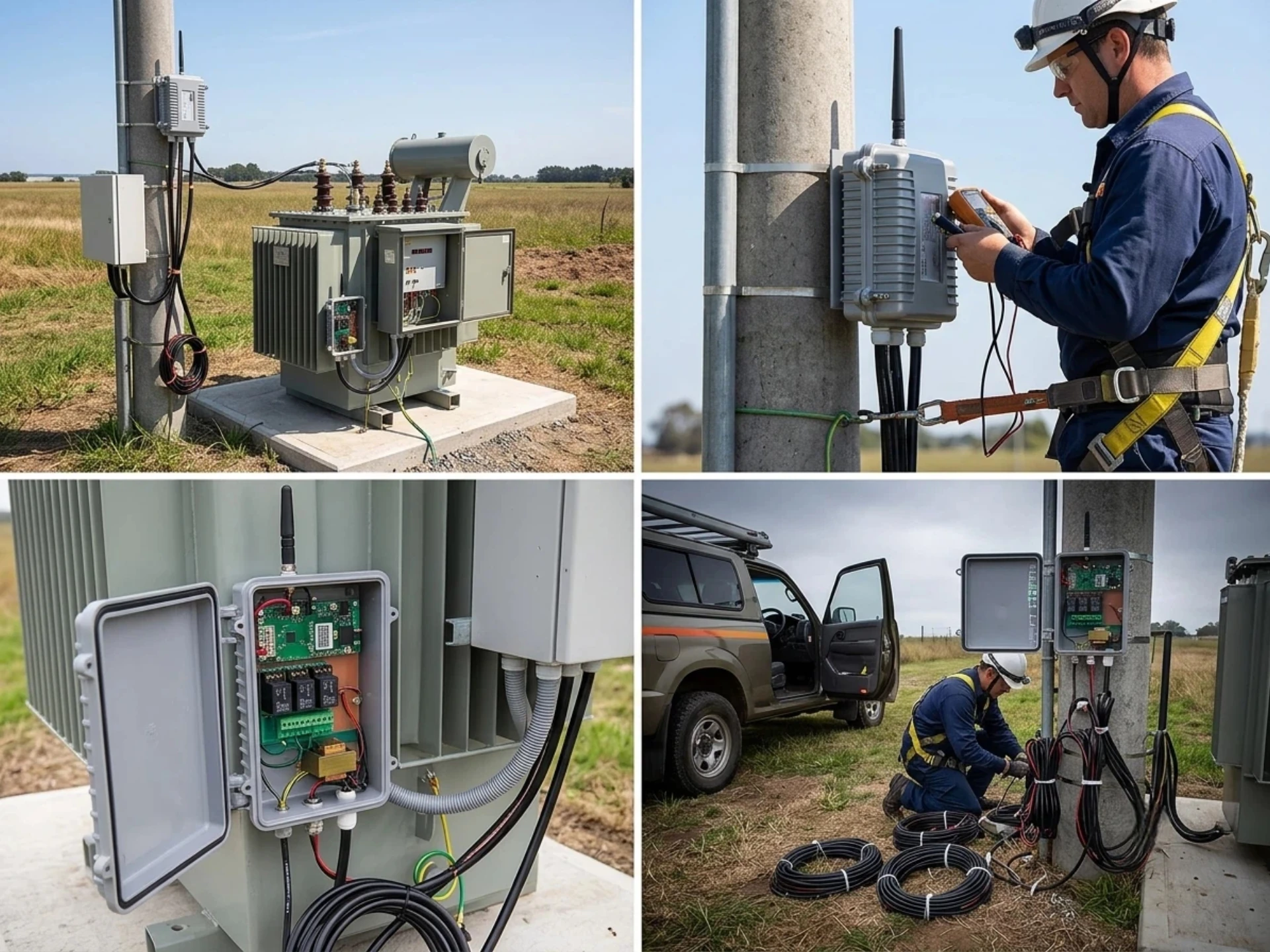
Why Distribution Transformer Theft Has Become a Global Challenge
Distribution transformers act as core assets connecting high-voltage transmission grids to end-user power loads. They are widely deployed across scattered sites with weak on-site supervision: rural villages, remote mountainous regions, agricultural irrigation zones, mining operations, off-grid solar power plants, and railway power supply substations.
These installation sites have prominent security vulnerabilities including infrequent patrols, limited CCTV coverage, no overnight staffing, and major delays in detecting theft. Transformer theft has become a chronic infrastructure problem troubling power grids in Africa, Southeast Asia, South America and South Asia, so grid operators urgently require standardized security systems and dedicated anti-theft monitors to reduce asset losses and grid faults.
World Bank surveys indicate power equipment theft leads to 13.6% distribution losses in Nigeria and 11% in South Africa, impairing power supply reliability. South Africa’s Eskom loses 5–7 billion rand yearly to stolen cables and transformers, disrupting national electricity supply. Therefore, transformer anti-theft monitoring devices are essential to curb theft and lower grid operational costs.
Why Are Distribution Transformers Frequently Stolen?
Valuable Recyclable Materials Inside Transformers
Thieves have no intention of reusing intact transformers for power operation. Their entire criminal chain targets recyclable metal components inside the equipment:
- Copper Windings: The primary stolen component, copper coils inside transformers hold the highest scrap resale value.
- Transformer Insulating Oil: Collectible and reusable in small-scale industrial operations in many developing regions.
- Steel Tanks, Radiators & Fittings: Outer shell metal parts are also stripped for bulk scrap sales.
The standard criminal workflow is straightforward: cut off power supply → force open the transformer cabinet → strip all copper and metal parts → sell scrap materials to illegal recycling dealers for quick cash profit.
Actual Economic Loss Breakdown After Theft
Profit for Thieves
- Small distribution transformers (10kVA–100kVA): Scrap copper value ranges from hundreds of US dollars.
- Medium distribution transformers (250kVA–1000kVA): Total recyclable metal value hits USD 1,000 to 5,000 and above.
Comprehensive Losses for Power Distribution Companies
The financial damage borne by utilities far exceeds the scrap value of stolen parts, covering multiple unavoidable expenditures:
- Procurement fee for a brand-new replacement transformer
- Transportation, hoisting and on-site installation construction costs
- Economic losses from prolonged power outages for residential households, farms and small enterprises
- User complaint handling and mandatory compensation for power interruption violations
The value of a stolen transformer is much lower than the economic loss caused by power interruption. A single stolen unit may trigger tens of thousands of dollars in indirect losses for grid operators.
Case Study: Transformer Theft Problems in African Countries
Nigeria, South Africa and Kenya represent the most severely affected regions globally when it comes to distribution transformer theft.
Core Background
Local power distribution networks feature highly dispersed rural transformer layouts, extremely long distances between substations, and understaffed field security teams. A mature underground scrap metal recycling market creates stable sales channels for stolen transformer components, forming a complete theft-transport-resale illegal industrial chain.
Typical On-Site Theft Steps
- Criminals cut overhead incoming power cables to avoid electric shock injuries during disassembly
- Remove locking hardware and disconnect high & low voltage connecting cables
- Dismantle the transformer shell and extract internal copper windings
- Use pickup trucks or light vehicles to transport the whole transformer away within 30 to 60 minutes
Severe Consequences
Entire rural villages face total blackouts; farmland water pumping systems shut down and halt crop irrigation; rural communication base stations go offline, breaking emergency communication channels; medical clinics and public service facilities cannot operate normally.
Traditional manual patrol mechanisms can only detect theft incidents hours or even days after the fact, leaving no window for emergency interception or asset recovery. Local power authorities have reached a consensus that passive inspection modes can no longer address this issue, making intelligent remote anti-theft monitoring a mandatory grid upgrade.
What Is an Anti Theft Monitoring Device for Transformers?
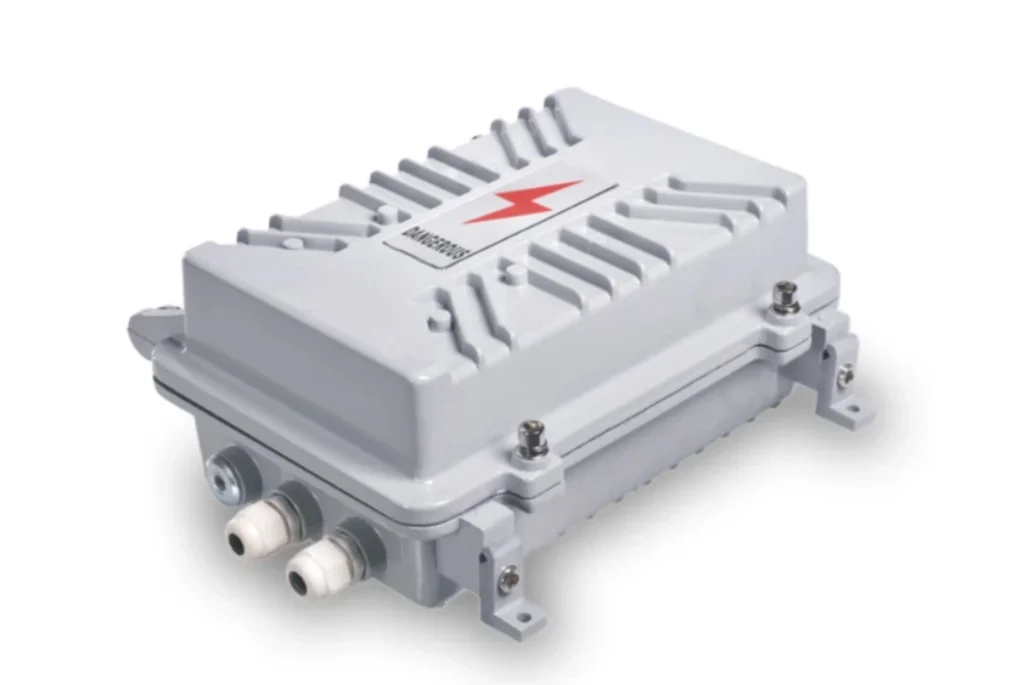
An anti-theft monitor is a dedicated remote security solution customized for pole-mounted and box-type outdoor distribution transformers. It continuously monitors equipment operating status and triggers instant alerts upon detecting abnormal tampering or theft behaviors, before or during asset loss.
Core Core Functional Scope
- Real-time theft intrusion detection
- Sudden mains power failure monitoring
- Artificial cable cutting & line disconnection identification
- Transformer shaking, tilting and overall movement detection
- Multi-channel remote alarm & backend data upload
Main Applicable Scenarios
Outdoor pole distribution transformers, box-type pad-mounted transformers, solar station step-down transformers, and unattended substation auxiliary transformers.
Does an Anti-Theft Monitor Really Work?
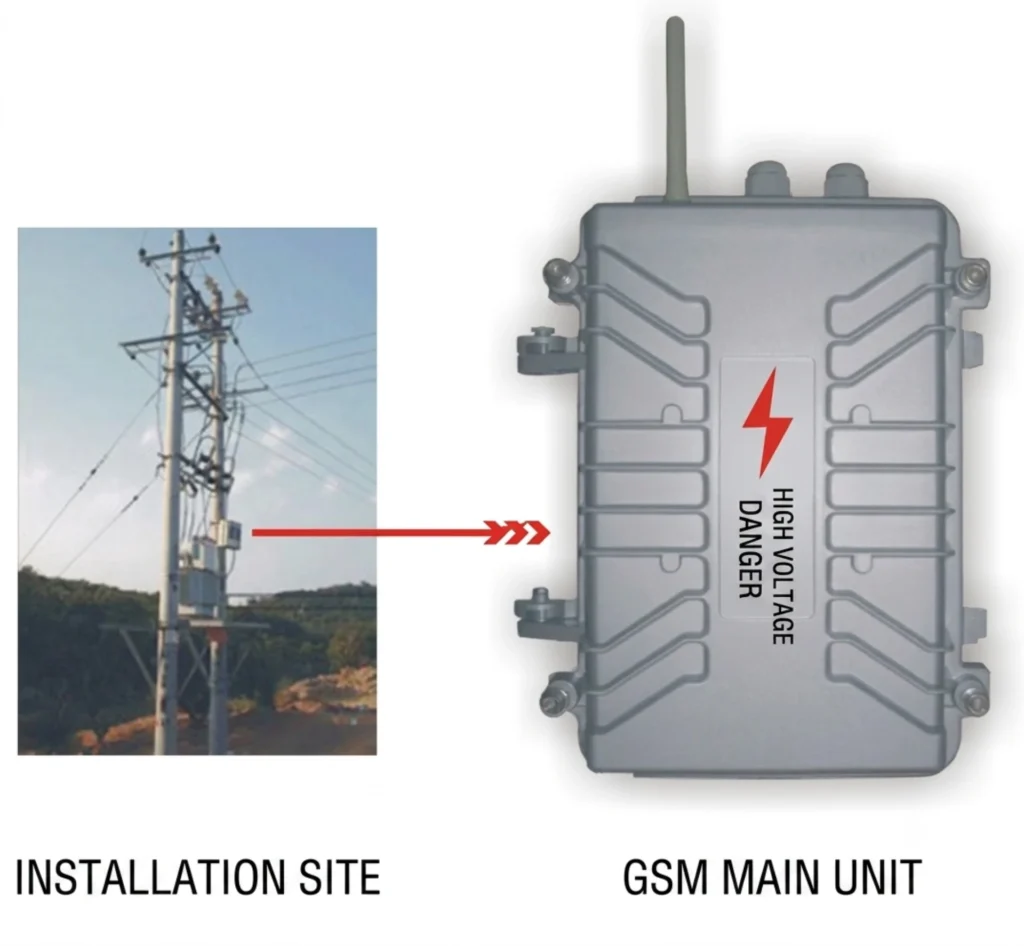
Critical Limitations of Three Traditional Anti-Theft Methods
- Mechanical Physical Locks: Ordinary padlocks and custom cabinet locks can be cut, pried open or burnt off with basic hand tools, offering minimal anti-destruction performance.
- Perimeter Security Fencing: High construction and maintenance costs, limited coverage range, unable to target and protect individual scattered transformers.
- Scheduled Manual Field Inspections: Cannot capture abnormal events in real time; heavy labor costs and serious delays in accident response.
Unique Advantages of Anti-Theft Monitor
It is important to clarify the core positioning of this device: it does not physically block thieves from accessing transformers. Instead, it delivers protection through two core capabilities:
- Early Abnormality Detection: Capture power loss, cabinet opening and cable damage the moment illegal operation begins.
- Instant Multi-Channel Real-Time Alarm: Push alert messages to the central SCADA control room, field maintenance teams and on-duty security staff immediately.
By drastically shortening emergency response time, the system greatly reduces the success rate of transformer theft and minimizes irreversible equipment loss.
The main purpose of an anti-theft monitor is to detect abnormal activities quickly and allow fast response.
Can Thieves Destroy the Anti-Theft Monitor Before Stealing the Transformer?
This is the top concern raised by overseas procurement managers from power companies and EPC contractors. Many clients worry that criminals will target and disable the monitoring terminal first to avoid alarms. Reliable industrial-grade anti-theft devices are specially engineered to eliminate this loophole via four targeted designs.
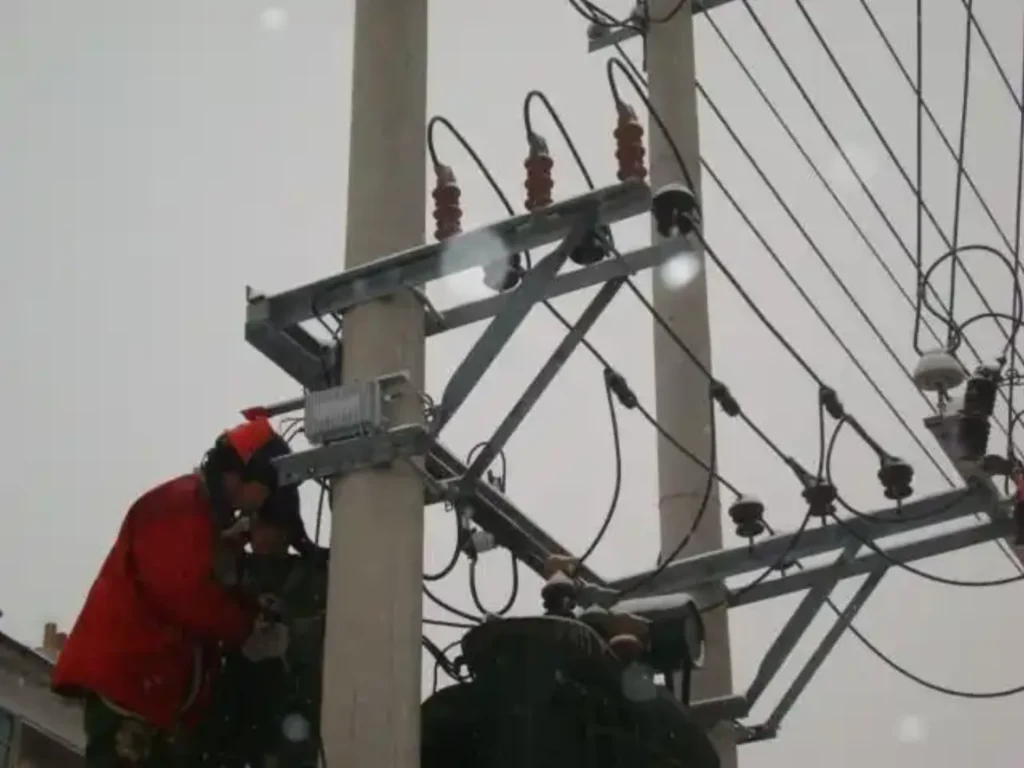
Hidden Embedded Installation
The monitoring main terminal is fixed inside the transformer tank body or internal control compartment, rather than mounted on the external surface. It cannot be easily located or tampered with by untargeted thieves.
Independent Backup Power Supply
Built-in low-power lithium battery backup ensures the device continues operating normally for 24–72 hours after external mains power is fully disconnected. Even if thieves cut all incoming power cables, the terminal still has power to send out alarm signals.
Multi-Dimensional Tamper Trigger Alarm
The device automatically sends an emergency alert once any of the following behaviors occur: terminal shell forced opening, signal wiring being cut off, abnormal interruption of cloud communication links, and violent vibration impact.
Diversified Redundant Alarm Channels
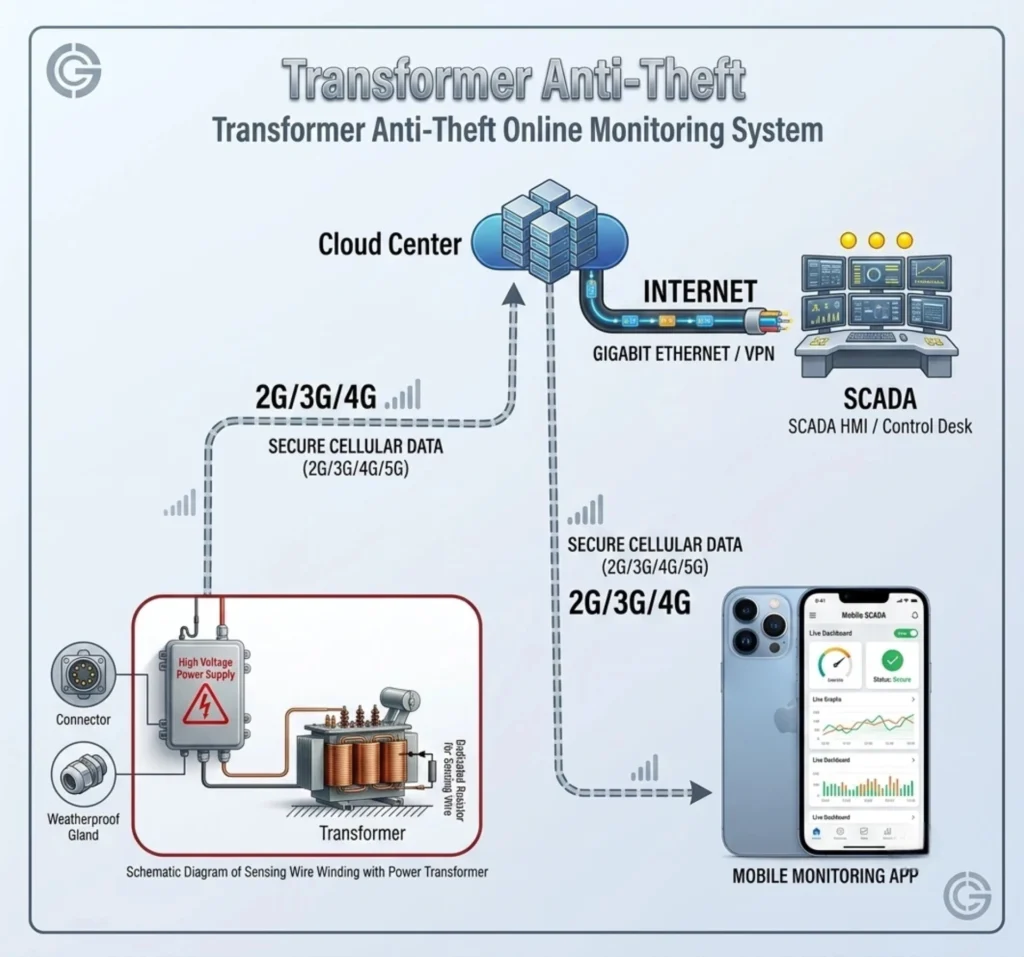
Alarms are simultaneously delivered via SMS, mobile APP pop-up notifications, cloud platform backend logs and SCADA system data reporting. Even if one communication path fails, other channels can guarantee alert delivery.
How Does Transformer Anti-Theft Monitor Work?
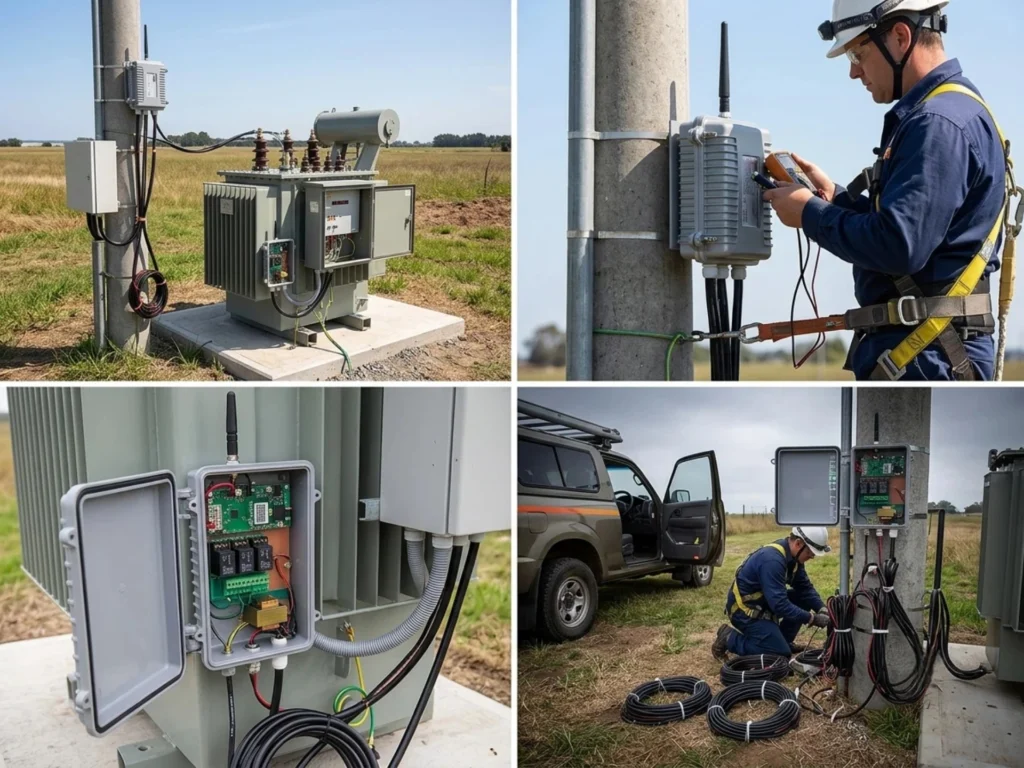
Complete System Architecture
Layer 1: On-Site Monitoring Terminal
Installed directly on the distribution transformer, collecting real-time operational data including input voltage, load current, cabinet door switch state, equipment vibration and tilt angle.
Layer 2: Wireless Communication Module
Encrypt and transmit monitoring data and alarm messages to the remote cloud server via 4G, GSM, NB-IoT or LoRa wireless IoT networks.
Layer 3: Cloud Platform & SCADA Management System
Realize centralized remote equipment supervision, alarm record classification, historical operation data storage, batch device management, and seamless data docking with the existing power dispatching SCADA system.
Core Anti-Theft Detection Mechanisms
- Power Failure Detection: Trigger alert upon unexpected total power disconnection, the most common first step of transformer theft.
- Cable Cutting Detection: Identify abnormal open circuits of signal and power connection lines.
- Movement & Tilt Sensing: Built-in vibration and tilt sensors judge whether the transformer is being lifted, dragged or toppled.
- Optional GPS Location Tracking: Lock the real-time geographic position of the equipment for traceability after theft.
Main Technical Parameters of Anti-Theft Monitor
Device Parameters
| Item | Specification |
|---|---|
| Battery Capacity | 2300mAh |
| Power Supply Voltage | 3.6V |
| Communication Mode | NB-IoT |
| Upload Interval | Once per day under normal operation; every 5 minutes after alarm triggered |
| Dimension | 85×85×35 mm |
Communication Parameters
| Item | Specification |
|---|---|
| Communication Mode | NB-IoT |
| Network Operator | China Mobile |
| Transmission Rate | 100Kbps |
| TCP/IP Protocol | Supported |
Vibration Monitoring
| Item | Specification |
|---|---|
| Measured Parameter | Acceleration |
| Measurement Range | ±1g |
Beidou Real-Time Positioning
| Item | Specification |
|---|---|
| Beidou Positioning Module | 3rd Generation Beidou Module |
| Tracking Sensitivity | -162dB |
| Re-acquisition Sensitivity | -160dB |
| Protocol | NMEA0183 |
| Positioning Accuracy | 10 Meters |
| Time Accuracy | Synchronized with Beidou System Time |
Is Chinese Distribution Transformer Anti-Theft Monitor Suitable for Overseas Markets?
Chinese manufacturers have accumulated mature overseas project delivery experience, with products fully compatible with grid standards, communication networks and climatic environments in most global regions.
Global Voltage Compatibility
Support mainstream international distribution voltage grades including 10kV, 11kV, 20kV, 22kV and 33kV. Hardware parameters can be customized to match local power grid specifications according to client requirements.
Multi-Network Communication Adaptability
Terminals are pre-configured with international universal GSM frequency bands and global 4G LTE modules, compatible with mainstream local telecom operators in Africa, Southeast Asia, the Middle East and Latin America. Standard industrial communication protocols support secondary development for docking with third-party dispatching platforms.
Extreme Environmental Adaptability
Product hardware undergoes targeted optimization for harsh overseas working conditions:
- Africa: High temperature, heavy dust and unstable signal environments
- Middle East: Desert high heat and strong sandstorm weather
- Southeast Asia: High humidity, heavy rainfall and coastal salt fog corrosion
- High-latitude regions: Low temperature and frost resistance
IP65 protection grade and wide temperature design ensure long-term stable outdoor operation year-round.
How Overseas Customers Test Anti-Theft Monitor Before Purchase
Multi-stage verification is the most effective way to eliminate procurement risks and verify product reliability, forming a standardized inspection workflow for bulk import orders.
Review Official Technical Documentation
Request the supplier to provide formal product datasheet, detailed user operation manual, wiring schematic diagram, complete communication protocol document and third-party quality inspection test reports.
Factory Acceptance Test (FAT) Before Shipment
Complete simulated scenario testing in the manufacturer’s workshop: manually trigger power cutoff, signal wire cutting, terminal disassembly and transformer tilting to confirm the device outputs accurate and instant alarms without missing or false alerts.
On-Site Sample Field Trial
Purchase 1 to 5 sample units for on-site installation trial operation, with a test cycle of 30 to 90 days. Key evaluation indicators include wireless communication stability, false alarm rate, backup battery endurance and adaptability to local seasonal weather changes.
Confirm Local Regulatory Compliance Certifications
Verify the product holds mandatory certifications required by the importing country, including CE conformity, RoHS environmental compliance, IEC standard certification and regional telecommunications network access approval.
How to Choose a Reliable Chinese Distribution Transformer Anti-Theft Monitor Supplier?
For international buyers, selecting a qualified supplier directly determines project after-sales experience and long-term equipment stability. Focus on three core capability dimensions:
Technical R&D & Customization Capacity
Confirm whether the factory supports personalized development: communication protocol modification, cloud platform function customization, hardware parameter adjustment and one-stop tailor-made anti-theft solutions for special grid projects.
Standardized Manufacturing & Quality Control
Inspect standardized assembly production lines, finished product aging testing procedures and batch sampling inspection mechanisms, to guarantee consistent product quality for large-volume orders.
Global After-Sales Technical Support
Including remote online debugging guidance, multi-language installation tutorials, long-term spare parts supply and dedicated overseas project technical docking support.
FAQ Section (Optimized for Google Featured Snippet & Rich Results)
Q1: What is an anti theft monitoring device for distribution transformers?
It is an intelligent IoT terminal installed on outdoor distribution transformers, which detects abnormal power loss, cable breakage, cabinet opening, vibration and displacement in real time, and sends multi-channel alarms to management personnel to prevent transformer theft and intentional damage to power assets.
Q2: Can anti theft monitoring equipment completely stop transformer theft?
It cannot physically block illegal intrusion 100%, but it can trigger an alert within seconds once any destructive operation starts. This greatly shortens the response window for maintenance teams, maximizes the possibility of intercepting theft behavior on site, and minimizes asset loss.
Q3: Can thieves disable transformer monitoring devices prior to stealing equipment?
Professional monitoring terminals adopt hidden internal installation, independent backup power supply and tamper alarm design. Alarms will be sent immediately if the device shell is pried open or connecting wires are cut, even after the main power supply is entirely disconnected.
Q4: How does transformer theft monitoring equipment operate technically?
The on-site terminal collects voltage, current and attitude sensor data, transmits encrypted data via 4G/NB-IoT/LoRa to the cloud platform, and the backend system judges abnormal events and pushes alarm information to relevant management terminals automatically.
Q5: Are Chinese transformer anti theft monitoring devices reliable for global projects?
Yes. Chinese manufacturers have delivered dozens of batch projects in Nigeria, South Africa, Kenya and Southeast Asian countries. Products adapt to local power grids, communication networks and harsh natural environments, with cost advantages and flexible customization services compared with European and American brands.
Q6: What testing steps should be taken before importing anti theft monitoring devices?
Complete factory simulated function testing first, then deploy small-batch samples for 1–3 months of field trial to verify alarm accuracy, communication stability and environmental adaptability before formal bulk procurement.
Q7:What is the most effective anti-theft device?
The AI-powered transformer anti-theft monitoring system is the most effective anti-theft device for power grid facilities.
Q8:Do theft deterrent systems really work?
Theft deterrent systems featuring real-time positioning and remote alarm functions can effectively prevent transformer theft and cut economic losses for power utilities.
Q9:What security system do burglars hate?
Burglars fear the AI transformer anti-theft monitoring system with instant alert and location tracking the most.
Q10:Is anti-theft tracking worth it?
The transformer anti-theft positioning and monitoring system can provide real-time early warning and tracking of stolen equipment while greatly reducing asset losses, making it well worth the investment.
Q11:How do burglars defeat alarm systems?
Burglars usually cut power supply, block signal transmission or destroy hardware to disable ordinary alarm systems, while our transformer anti-theft system can avoid these loopholes.
Q12:What is the number one burglar deterrent?
Visible monitoring linked with real-time alarm systems serves as the top burglar deterrent.
Conclusion
A mature and stable AI anti theft monitoring device delivers tangible value including 24/7 real-time asset protection, remote whole-lifecycle equipment monitoring, faster emergency incident response, and significant reduction in grid fixed asset loss.
For overseas power grid enterprises and engineering contractors, partnering with an experienced Chinese Distribution Transformer Anti-Theft Monitoring Equipment Supplier that supplies GPS anti theft tracker device without monitor anti-theft tracking and boasts cross-border project implementation experience is a key step to building a smarter, safer and more controllable modern distribution power grid. If you need customized technical solutions, bulk quotation and one-stop equipment supply services, our professional team can provide tailored support for your global power infrastructure projects.