
VLF testing: Procedure, Standards and Result Interpretation

VLF testing at 0.1 Hz proves cable insulation with far less power than 50 Hz, covering procedure, sizing by load, and reading results against IEEE 400.2-2013.


VLF testing at 0.1 Hz proves cable insulation with far less power than 50 Hz, covering procedure, sizing by load, and reading results against IEEE 400.2-2013.
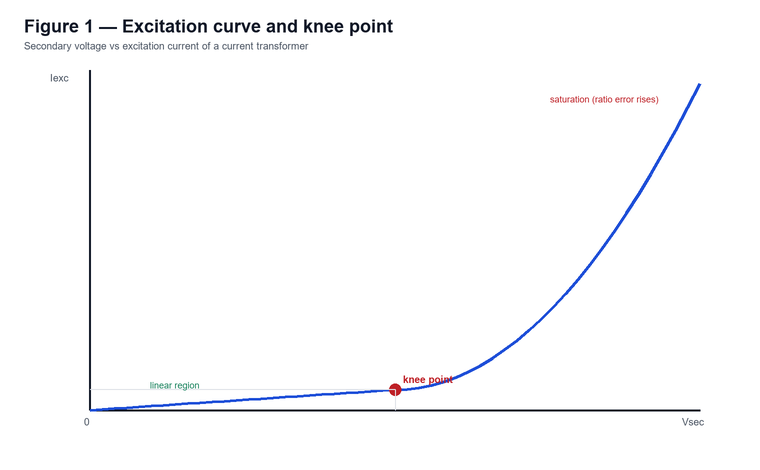
In current transformer practice the device steps primary current to a fixed secondary ratio; this guide covers selection, ratio, burden and field testing.

Transformer temperature monitoring tracks winding hot spot and oil temperature against the loading band so overheat faults are caught early.
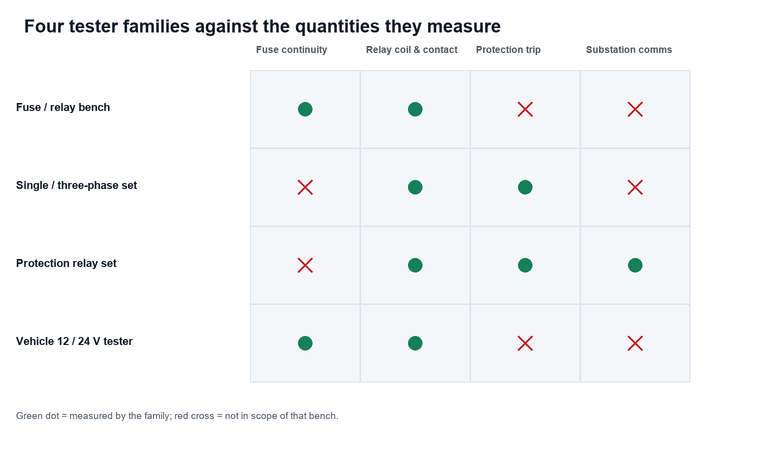
A fuse relay tester proves fuses and protection relays on the bench. This guide covers selection, secondary injection and how to read the result.
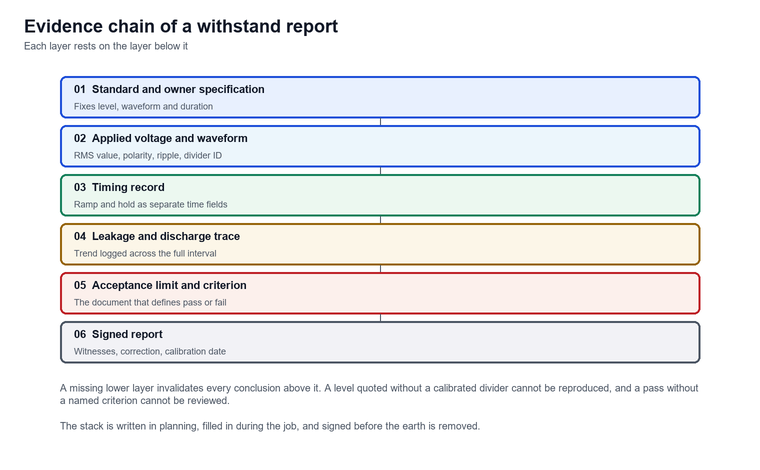
This dielectric withstand test procedure covers isolation, the ramp, the timed hold, leakage trends and the records that make a site pass defensible.

A transformer monitoring package trends dissolved gas, partial discharge and hot-spot temperature. Compare the seven systems and key specs before buying.

This partial discharge location guide covers velocity calibration, two-ended timing, the error budget, noise control and the joint number a crew can dig.
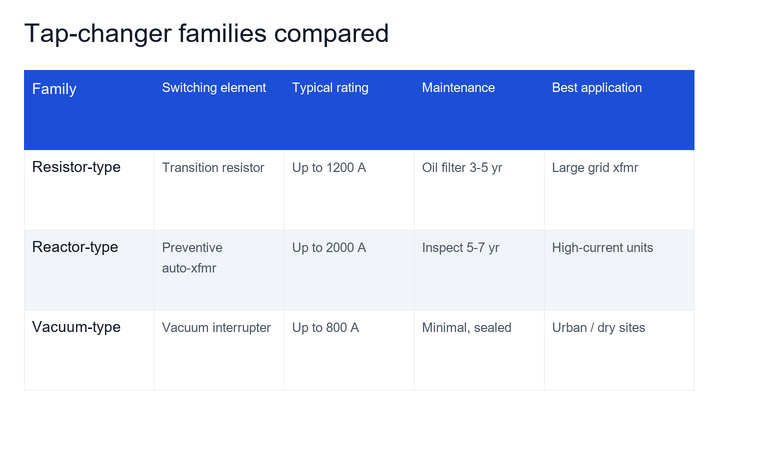
A load tap changer regulates voltage under load by switching taps through a transition impedance. Compare the three families and their test limits first.
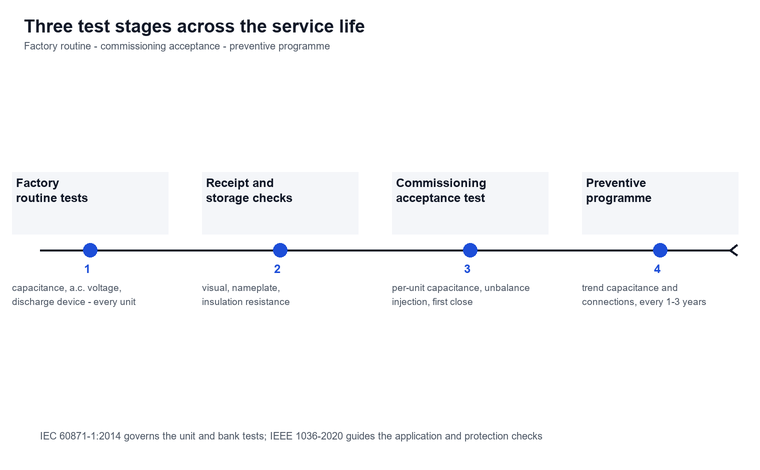
Capacitance tolerances, unbalance checks, inrush limits and acceptance criteria for capacitor bank testing, from factory routine test to service.
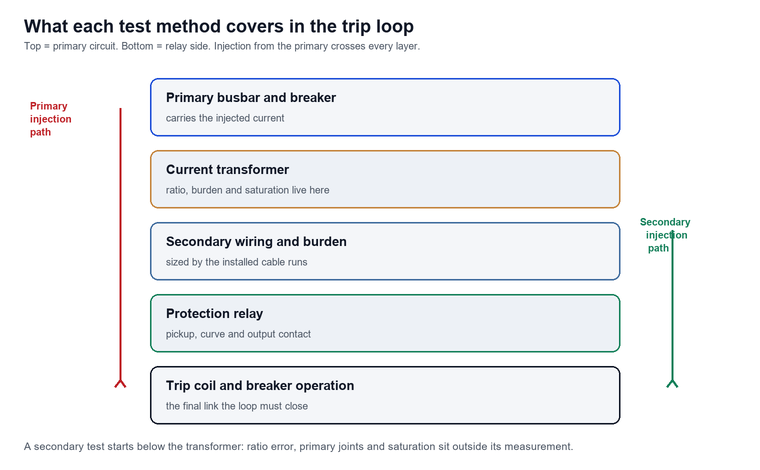
Injection from the primary side proves the whole trip loop; this guide walks primary injection testing step by step, from current selection to the verdict.