
Power quality analysis: Procedure, Standards and Result Interpretation
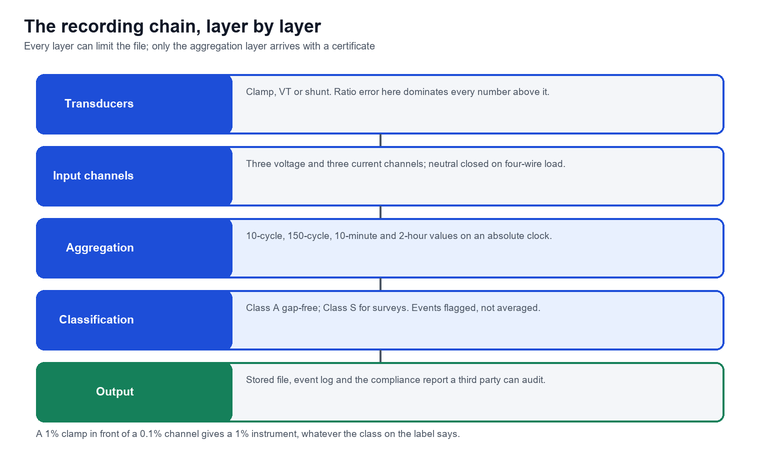
How a power quality analysis campaign is scoped, recorded and defended: instrument classes, aggregation windows and the limits that decide compliance.

Blog
How a power quality analysis campaign is scoped, recorded and defended: instrument classes, aggregation windows and the limits that decide compliance.
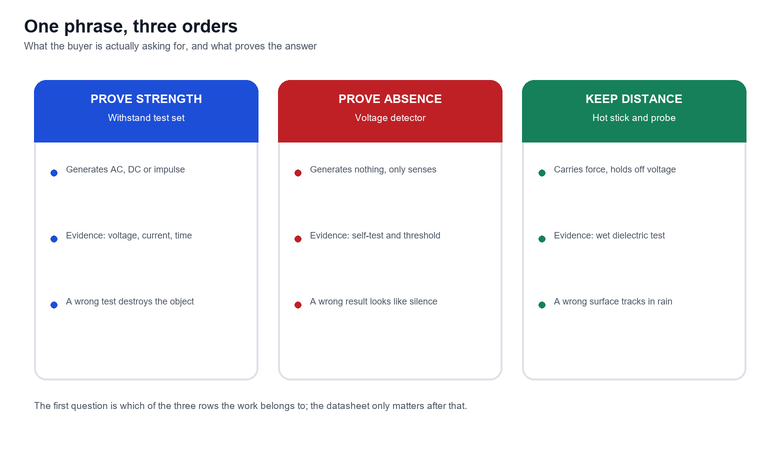
What a high voltage tester must do, which nameplate lines decide the purchase, and how the test circuit is earthed, guarded and discharged.
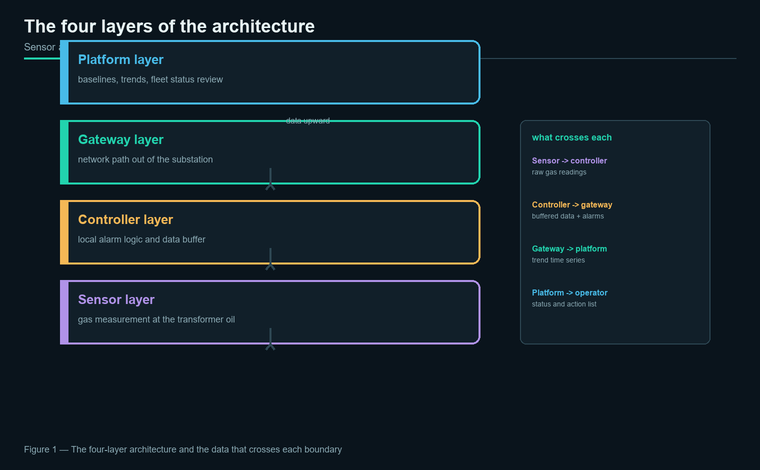
How an online DGA monitoring system is built: sensor unit, controller, gateway and platform, plus sizing and commissioning for a transformer fleet.

VLF testing at 0.1 Hz proves cable insulation with far less power than 50 Hz, covering procedure, sizing by load, and reading results against IEEE 400.2-2013.
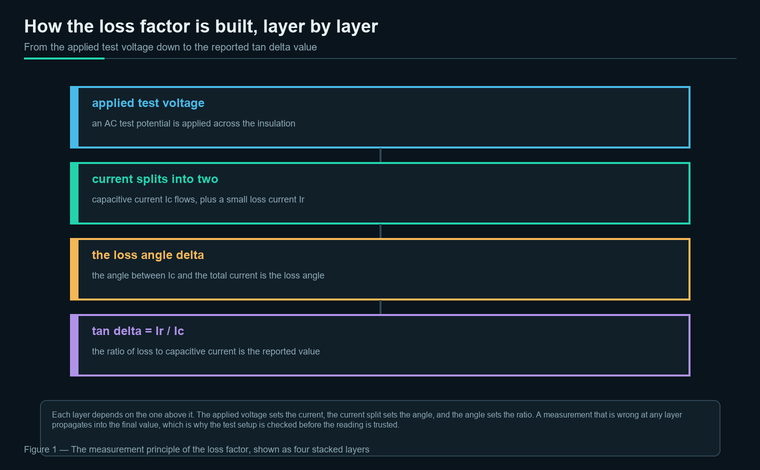
How a tan delta tester measures insulation loss, which test configuration to use, and how to read trends instead of single values.
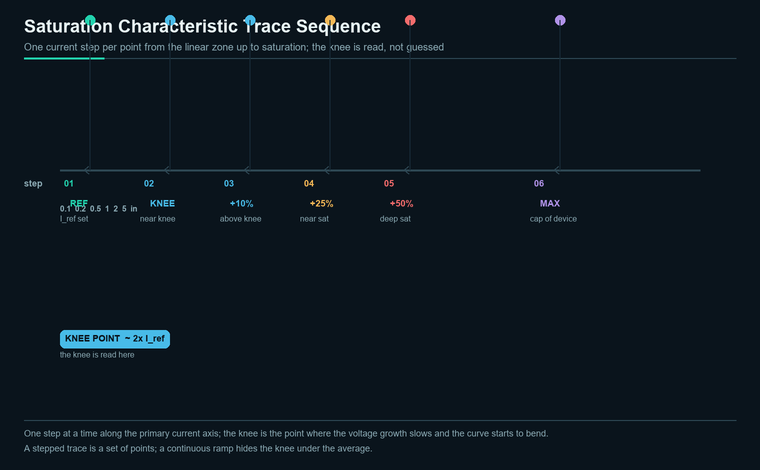
A current transformer saturation test guide covering the excitation curve, knee point voltage, ALF and 5P/10P/PR protection classes.
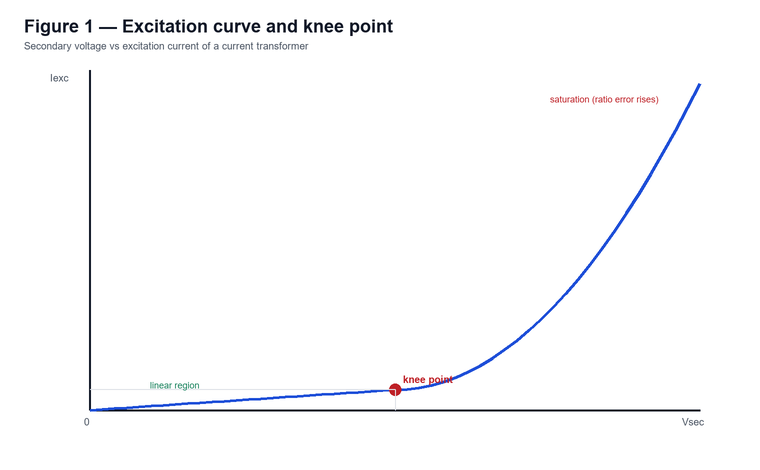
In current transformer practice the device steps primary current to a fixed secondary ratio; this guide covers selection, ratio, burden and field testing.

Transformer temperature monitoring tracks winding hot spot and oil temperature against the loading band so overheat faults are caught early.
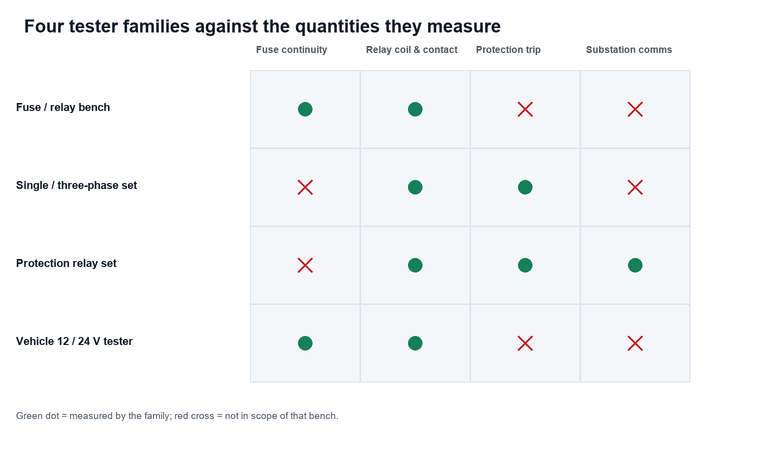
A fuse relay tester proves fuses and protection relays on the bench. This guide covers selection, secondary injection and how to read the result.
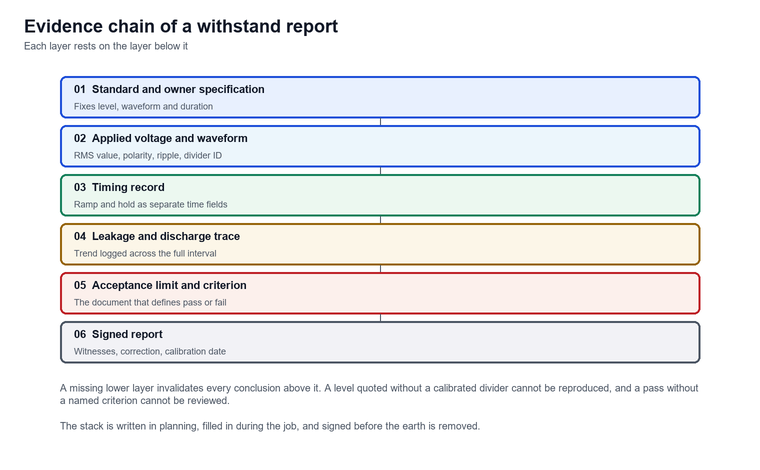
This dielectric withstand test procedure covers isolation, the ramp, the timed hold, leakage trends and the records that make a site pass defensible.