
Cable Fault Locators: 5 Types and Features Compared

A field guide to underground cable fault locator types and features: LV pulse, pulse current and multiple pulse modes, accuracy, blind zone and field setup.

Blog
A field guide to underground cable fault locator types and features: LV pulse, pulse current and multiple pulse modes, accuracy, blind zone and field setup.

How to specify a digital multimeter for electricians: the four jobs, CAT III and CAT IV ratings, 7-function labels, accuracy formulas and test setup.
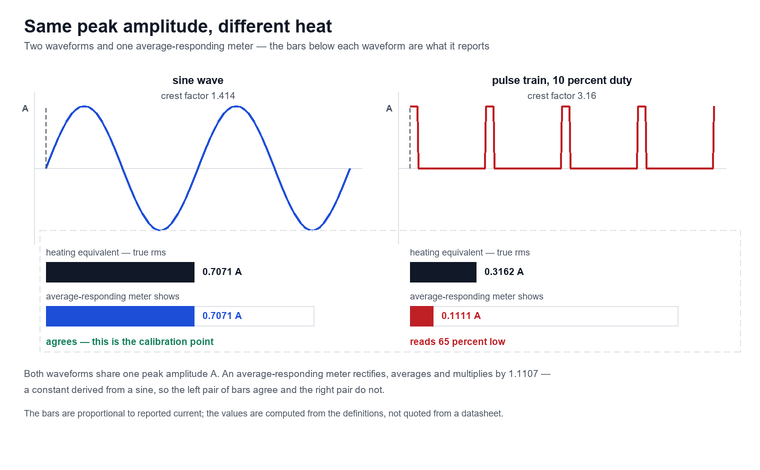
How to specify a multimeter with true rms: what the claim promises, AC bandwidth and crest-factor limits, clamp sensors and how to prove the reading on site.
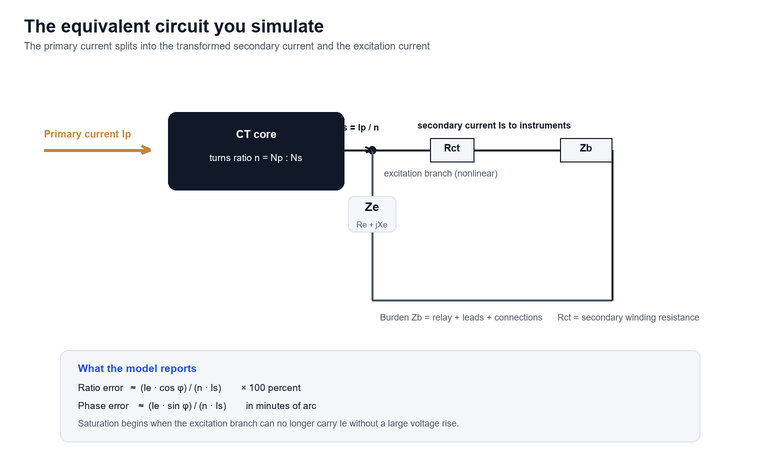
Current transformer simulation predicts ratio error, phase shift and saturation before energisation, so protection and metering accuracy can be checked.

Insulating and arc-quenching in one volume, sf6 gas is also a regulated greenhouse gas; match the detector, analyzer and density gauge to the question asked.
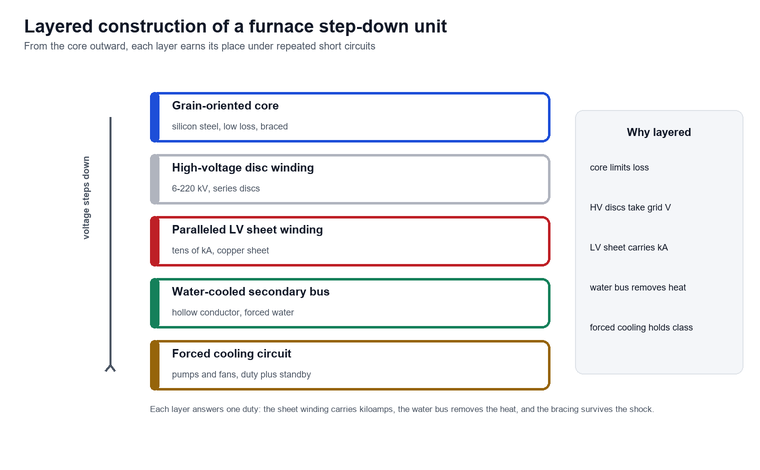
A furnace transformer turns grid voltage into the low voltage and high current an arc furnace needs; buy the duty, not the nameplate, and test it right.
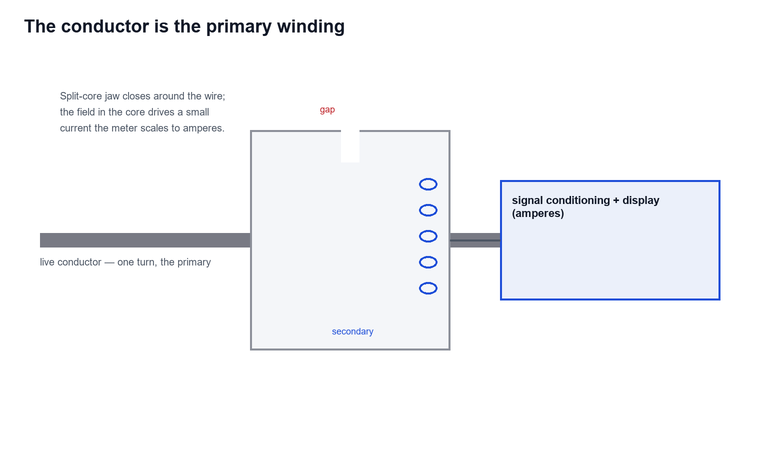
A current clamp meter measures live current without breaking the circuit; this selection guide covers types, key specifications, true RMS and safe test setup.
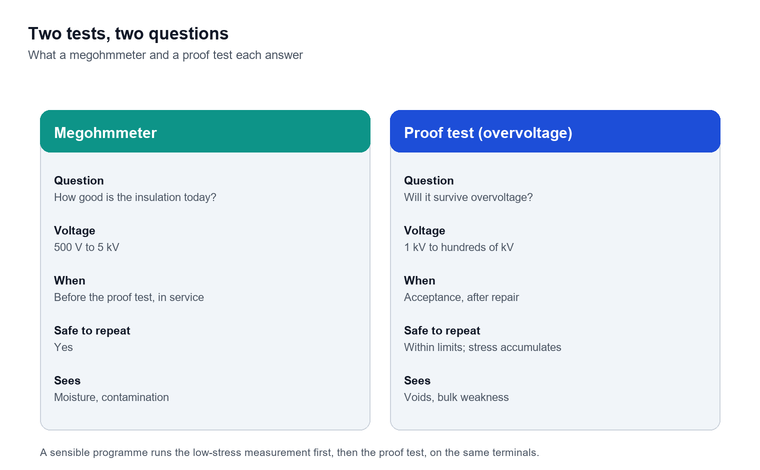
Hi pot testing stresses insulation out of service with an overvoltage and watches the leakage; this guide covers voltage selection, AC/DC/VLF choice and setup.
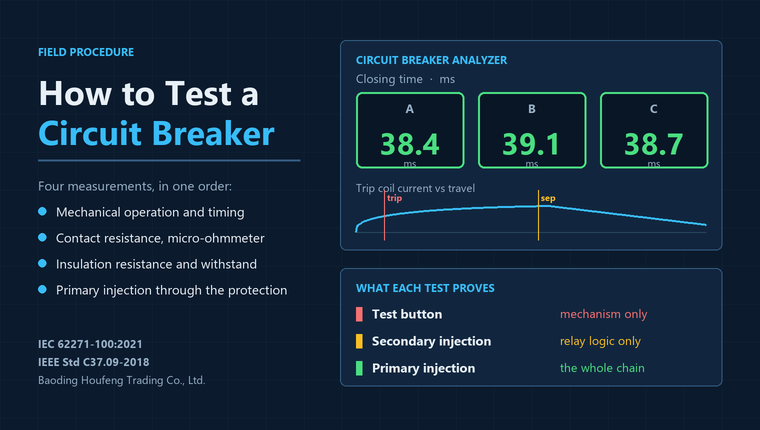
Test a circuit breaker step by step: prove dead, check contacts and insulation, then confirm the protection actually operates the mechanism.
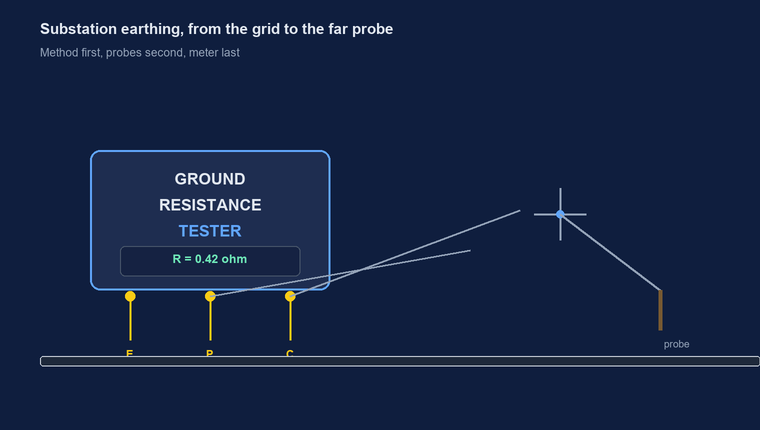
How to choose a ground resistance tester by method, probe spacing and interference, and how to read soil resistivity and touch voltage limits.