

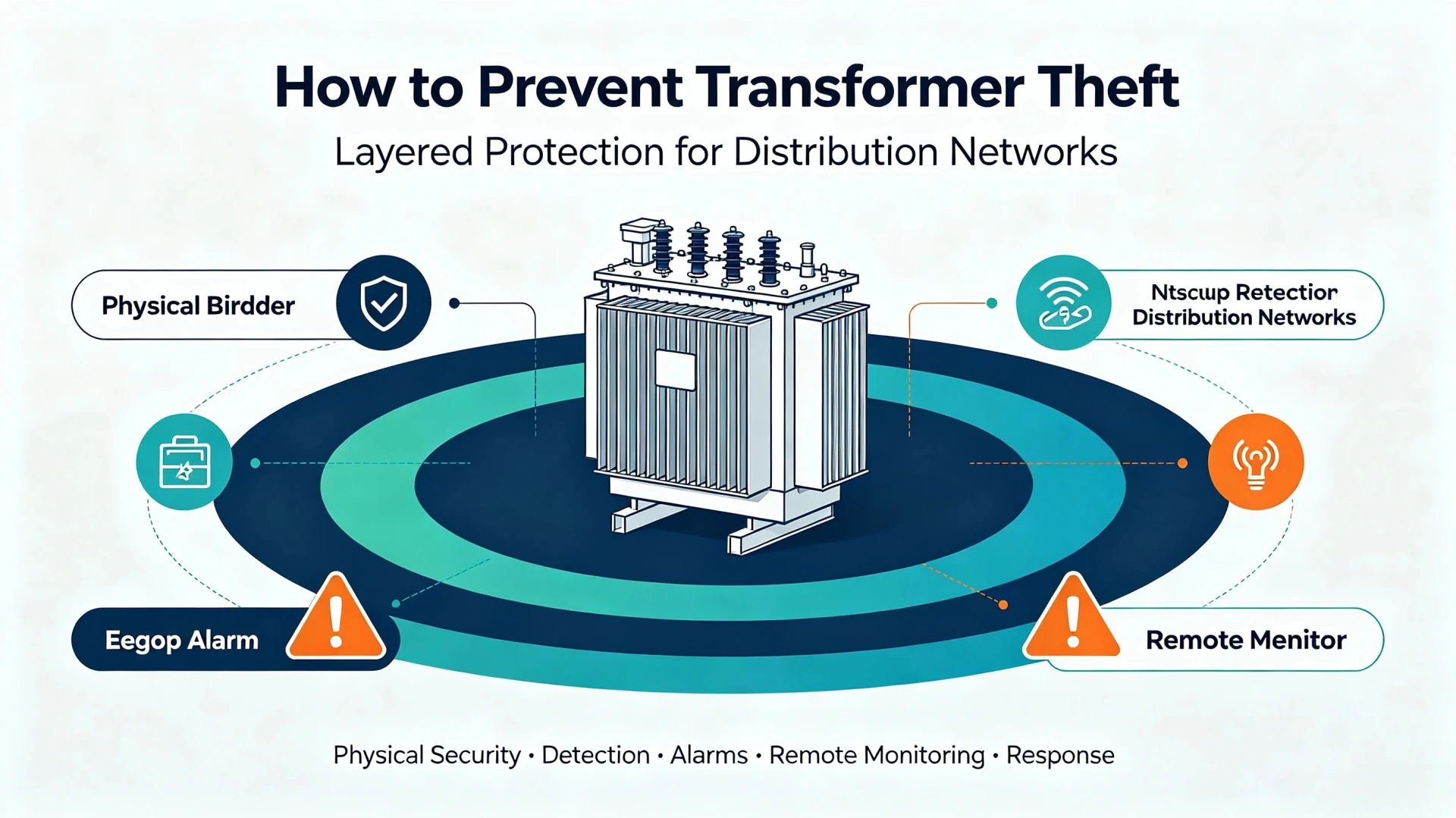
The reliable way to prevent transformer theft is to layer four measures, physical hardening, anti-theft hardware, tamper detection and a monitored response, because no single measure stops a crew that arrives with tools, transport and a planned exit. Sites that depend on one layer fail in a predictable way. The fence is cut, the bolt is backed out, and nobody learns about it until the next inspection round. This page sets out what each layer does, where each one fails, and how to sequence them by site risk. The crime itself, the five methods crews use and the parts that get taken first are covered in the guide to distribution transformer theft.
Key Takeaways
- Prevention is a stack, not a product. Harden the site, sense the attempt, alarm locally and answer the alarm remotely. Remove any one layer and the others lose most of their value.
- Most events are over in 5 to 20 minutes at an unstaffed site. The value of any sensor is set by the response chain behind it, not by the sensor spec sheet.
- Match the mix to the site. Reachability, inspection interval, cellular coverage and backup power decide the design. The catalogue does not.
- False alarms, not sensor cost, are what ends monitoring programmes. Thresholds are tuned per site at commissioning, then reviewed quarterly.
- As of 2026 there is no public per-site cost benchmark for this work. Scope the budget from site count and commissioning labour, not from a unit price.
What Transformer Theft Prevention Has to Cover
Transformer theft prevention has to cover five documented methods, and each of those methods is visible to only one or two of the four protection layers, so the layer mix a site ends up with, rather than any single product, decides whether that site is protected. The four layers are physical hardening, anti-theft hardware, tamper detection and monitored response. To prevent transformer theft at a specific site, you first have to accept what the crime looks like there. The table maps each method to the layer that sees it first.
| Method | Signature it leaves | Layer that sees it first |
|---|---|---|
| Enclosure opened for copper | Vibration event, then a door-state event in quick succession | Tamper detection |
| Connections cut days in advance | Repeated isolated cable faults along one feeder | Cable continuity monitoring |
| Whole-unit removal | Sudden total loss; ground disturbance at the pad | Tilt sensing plus power-loss monitoring |
| Oil drained for resale | Slow level drop; unit found ruined rather than missing | Weakly covered by all four layers today |
| Back-feed enabled tampering | Events logged while the feeder is switched out | Procedure and monitoring together |
Enclosure integrity for pad-mounted equipment is standardised in IEEE C57.12.28-2023, which sets conformance tests for above-grade pad-mounted enclosures exposed to the public. Read the scope before you buy on conformance alone. Installations under the exclusive control of the utility, where the utility controls access to the equipment, sit outside that standard. Conformance is a floor for the enclosure. It says nothing about the site around it.
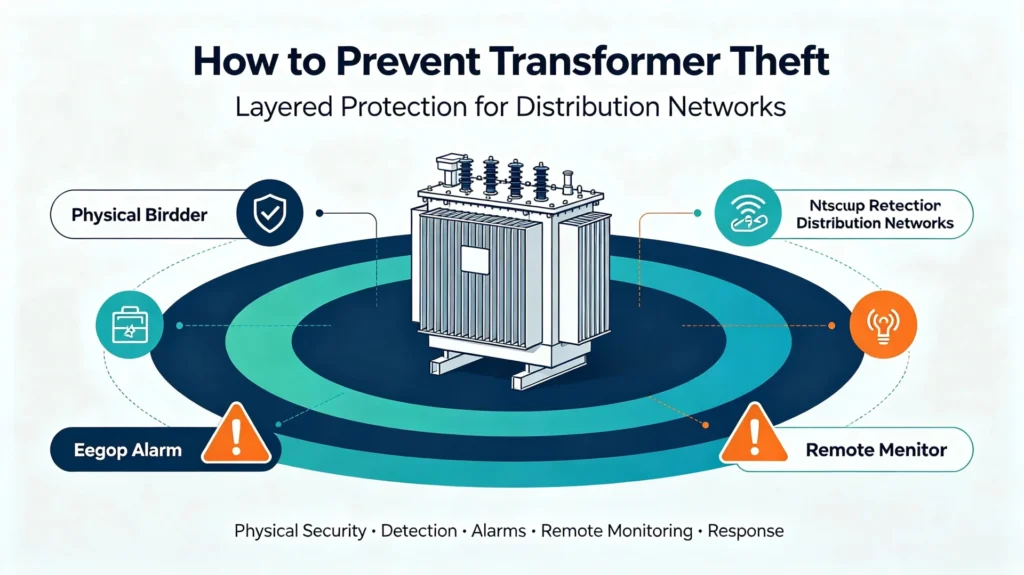
Figure 1: The four layers and the response step, in the order a crew meets them.
Physical Security for Transformers
Physical security for transformers buys time and witnesses rather than immunity, because locked enclosures, security cages, fencing and lighting slow a prepared crew down and push the attempt toward sites where somebody is more likely to see it and report it while it is happening. That is a real gain, and it is the cheapest layer to specify. It is not a barrier a crew with battery tools cannot pass.
Start from the parts that get taken, not from the tank door. Earthing conductors and low-voltage cables go first across the incident record, because they are exposed copper that needs no tank entry. Bushings, connectors and cooling panels follow. The highest-value hardening on most sites is therefore unglamorous. Conceal or bury the earthing run. Lock the LV cable box. Fit anti-climb wrapping on the lower structure. Keep the pad lit and visible from a road or an occupied building.
Outdoor enclosures and added hardware need an ingress rating that matches the site, classified under IEC 60529:1989+AMD1:1999+AMD2:2013. A generous-looking IP rating can still fail on a dusty, irrigated site if the drainage and gland detail are wrong. Check the rating against the actual mounting orientation, not against the datasheet orientation.
[PERSONAL EXPERIENCE] On repeat-incident districts we support, the earthing strip is the part found missing weeks later, usually during a routine resistance check rather than a theft investigation. Concealing that run has been the cheapest change with the clearest effect.
Anti-Theft Hardware and Tamper Protection
Anti-theft hardware and tamper protection work at the fastener, which is where both the value and the limit sit, because security nuts, anti-theft bolts and locking devices turn a five-minute strip into a slow and noisy job that a crew with battery tools still defeats in the end. This layer is priced in delay, not in prevention. Budget it that way.
Spend the hardware budget where exposure is highest. On pole-mounted structures that means the earthing connection and the LV drop lead. On pad-mounted units it means the compartment doors and the hinge side, which crews attack first. Mechanical locks earn their place on compartments holding copper or electronics. Fitting them to an empty chamber adds cost and a key-management problem for no gain.
This is also where the phrase transformer anti theft protection stops being a search term and becomes a specification. Write down which fasteners are secured, with what hardware, and who holds the tool or key. Hardware tamper protection that nobody can undo during a storm restoration becomes its own outage cause, and that failure is common enough to plan against.
Tamper Detection: What to Sense and Where
Tamper detection only pays when the sensor is matched to the method, because vibration catches enclosure attack, tilt catches lifting, door state catches panel entry, and cable continuity catches the earthing and low-voltage cuts that often happen days before the main event. A sensor fitted where the method does not occur produces silence or noise. Both are expensive. The signatures behind these events are described in the page on transformer cable cutting detection.
| Signal | Method it catches | Typical mounting point | Latency | Common failure mode |
|---|---|---|---|---|
| Vibration | Enclosure attack, cutting, prying | Tank wall or door frame | Seconds | Wind, traffic and livestock if thresholds are generic |
| Tilt and movement | Whole-unit lifting with a crane or hiab | Tank or plinth | Seconds | Threshold too tight for thermal movement |
| Door and panel state | Compartment entry | LV door, control cabinet | Seconds | Door left ajar after maintenance |
| Cable continuity | Earthing strips and LV leads cut in advance | Earthing strap, LV drop lead | Minutes to days | Legitimate switching operations |
| Power status | Sudden loss or back-feed enabled tampering | LV side or controller | Seconds | Planned outages unless they are flagged |
Two rules keep this table honest on site. One signal is an indication. Two correlated signals are an event, and that difference is what keeps a monitoring programme alive. Every threshold also has to survive the maintenance schedule. A door alarm that fires each time a fitter works on the unit will be disabled by the fitters themselves.
On-Site Alarm, Deterrence and the Response Procedure
An on-site alarm and deterrence layer works only where somebody can act on it, because a siren and strobe interrupt a crew on site, and that interruption is the whole point: it turns a quiet ten-minute job into a noisy one with a witness. Where nobody is within earshot, the same hardware adds cost and one more thing to maintain.
The response procedure decides outcomes, and it is the part most often left unwritten. The working sequence is short. Verify that the event is real and not a known maintenance window. Notify a named person, not a shared inbox. Attend with a safe-access plan, because an open tank or a lost earthing connection can injure the responder. Isolate the unit if the state is unsafe, then document the event against the asset record so the district risk map improves.
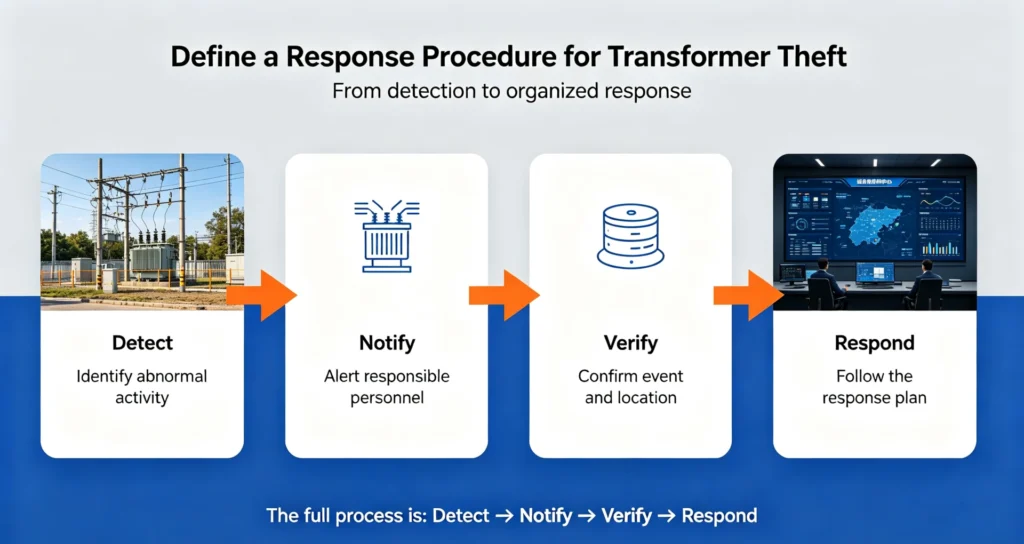
Figure 2: Detect, notify, verify, respond. The sequence matters more than the tooling.
[UNIQUE INSIGHT] Utilities that skip the response step end up with alarms nobody answers. An unanswered alarm trains everyone to ignore the next one. On the districts we see, the fix is rarely more sensors. It is a named responder, a written first action, and a quarterly review of which alarms were answered and how long that took.
Remote Monitoring and the Communication Choice
Remote monitoring turns a local event into a dispatch decision, and the communication choice decides whether that report arrives at all on an unstaffed site, which is why the path should be measured at the mounting height rather than assumed from a network coverage map. The chain from sensor to operator is described in the guide to transformer anti-theft monitoring systems. What changes site by site is the path the alarm takes.
| Path | Coverage profile | Typical report latency | Power draw | Best fit |
|---|---|---|---|---|
| GSM | Legacy coverage still wide, but being retired in some markets | Seconds to a minute | Low | Alarm-only sites on older networks |
| 4G LTE | Good where networks are built out | Seconds | Medium | Sites that need richer telemetry |
| NB-IoT | Deep penetration where deployed, thin where it is not | Seconds to minutes | Lowest | Solar or battery sites with long reporting intervals |
Coverage is the failure point, not bandwidth. A site at the edge of a cell reports intermittently. Intermittent reporting looks exactly like a faulty sensor, so the crew stops trusting it. Measure signal quality at the mounting height, not at ground level. Pick the path that reports reliably at the worst hour of the night, not the one with the best datasheet.
Preventing Theft on Pole-Mounted Transformers
Preventing theft on pole-mounted transformers adds two problems the pad-mounted case does not have, because height no longer stops a crew with a ladder, and the most exposed copper on the whole structure is the earthing strip and the low-voltage drop lead, both reachable in minutes. Hardening therefore starts below the tank, not on it.
| Site check | What to record | Why it changes the design |
|---|---|---|
| Access | Road distance, track quality, sightlines | Decides hardening level and alarm type |
| Dominant local method | Incident record for the district | Decides which sensors matter |
| Cellular coverage at the pole | Measured signal at mounting height | Decides GSM, 4G or NB-IoT |
| Backup power | Solar yield in the worst month | Decides reporting interval |
| Environment at height | Salt, dust, lightning, temperature | Decides enclosure rating and mounting |
| Integration | Existing SCADA or platform | Decides the reporting format |
The measures that earn their place on a pole are specific. Conceal or relocate the earthing run so it is not a free strip of copper. Secure the LV drop lead where it leaves the pole. Fit locking hardware on any compartment holding metering or control gear. Mount the monitoring terminal and its solar supply high enough that a ladder is needed to reach them. A terminal at arm’s height leaves with the transformer.
Coverage and environment are the two checks most often skipped, and they cause most of the returns. A unit specified from a catalogue assumes both. A unit specified from the table above does not.
Rural Feeders and Remote Sites
Rural feeders concentrate the risk because they combine the three conditions a theft crew needs: a valuable unit, no honest witnesses nearby and a fast exit route. That is why utilities asking how to prevent transformer theft in remote areas are really asking how to rank their own feeders. The plan starts from a district risk map, not from a product list.
Score each district on incident history, access roads and inspection interval, then rank the units and spend in that order. The design sequence is the one used on the regional programmes documented in theft patterns across African networks. Identify high-risk locations. Harden the top units physically. Select sensors that match the local method. Pick the communication path that reports at that location. Configure the alarm logic, then write the response procedure and name the responder.
Two rural specifics change the hardware choices. Solar supply has to be sized for the worst month rather than the average one. A terminal that browns out in December reports nothing until spring. Inspection intervals of weeks also mean the event record is the only witness. Event history therefore has to be stored on the device and recoverable afterwards.
Transformer Theft Prevention Methods Compared
The methods compared below differ less in what they stop than in what they miss, and the cost of each layer is driven by site count and commissioning labour rather than by the unit price of the hardware itself. That distinction usually settles the budget argument.
| Layer | What it stops | What it misses | Cost driver | Best fit |
|---|---|---|---|---|
| Physical hardening | Opportunistic entry; unseen attempts | A prepared crew with tools | Civil works and site visits per unit | Supervised and semi-supervised sites |
| Anti-theft hardware | Fast, quiet removal of parts | A crew that brings the right tools | Hardware plus key management | High-exposure fittings on any site |
| Tamper detection | Undetected attempts | Events with no sensor fitted | Sensor count and tuning labour | Unstaffed sites with response capacity |
| Local alarm | The attempt itself, on site | Sites nobody can hear | Hardware and false-alarm handling | Sites with people within earshot |
| Remote monitoring | The loss, by shortening response | Sites with no usable coverage | Connectivity and platform operation | Wide rural portfolios |
| Full mix | The only mix that can prevent transformer theft at portfolio level | Nothing; the mix is the point | Site count and commissioning labour | Every programme |
The cost side has four drivers. They are the number of sites in scope, the civil work each one needs, the commissioning and threshold-tuning labour, and the running cost of connectivity. As of 2026, published figures cover what theft costs utilities, not what prevention costs per site. Treat any per-unit price you are quoted as one line of a scoping exercise rather than as a benchmark.
How to Cut False Alarms
False alarms are the main reason monitoring programmes get switched off, and they are a commissioning problem rather than a sensor problem, because thresholds copied from another district produce either silence or alarm storms, and both teach the operations team to stop trusting the system. Four practices carry most of the gain.
| Practice | What it does | When to apply |
|---|---|---|
| Two correlated signals before an alarm | Separates a real attempt from a passing lorry | From commissioning onward |
| Thresholds set at the site | Matches the vibration and thermal profile of that structure | During commissioning |
| Event history review | Shows which alarms were real and which were noise | After month one, then after each storm season |
| Warning and critical split | Keeps a warning in the log and a critical on a phone | From day one |
The last practice is cultural rather than technical. Whoever answers alarms needs a way to mark an event as benign, and that marking has to feed back into thresholds. A programme with no feedback loop re-tunes nothing and gets worse every month.
Limitations: What Prevention Cannot Do
No prevention package removes the underlying risk, and three limits decide whether the budget is spent well, because each of them is a reason a well-specified programme still records losses at the end of a year despite doing most of the right things. They are worth writing down before the purchase order.
Physical hardening buys time. It does not prevent transformer theft by itself. A prepared crew defeats locks, cages and fasteners, and a fence only fails when it fails. The realistic gain is minutes of delay and a higher chance of a witness. That gain only converts into a saved unit if detection and response sit behind it.
Detection without a staffed response decays into noise. A siren interrupts a crew and a report reaches an operator in seconds, but if nobody is staffed to act, both become background. Programmes that cannot fund the response should spend on hardening and on inspection frequency instead, and accept that misses will be found late.
Coverage and thresholds are site facts, not catalogue facts. Cellular availability at the mounting height, solar yield in the worst month and the vibration profile of that specific structure all have to be measured. Standards help with the enclosure only. IEEE C57.12.28-2023 covers enclosure integrity for pad-mounted equipment. Its scope explicitly excludes installations where the utility controls access, so conformance does not transfer to every asset class.
How Houfeng Configures a Site to Prevent Transformer Theft
Houfeng configures a site to prevent transformer theft in a fixed sequence that runs from risk map through layer mix, sensor selection and on-site communication check to threshold tuning at commissioning, and then finishes with a written response procedure carrying a named responder. The equipment for the monitoring layer is the transformer anti-theft monitoring device (HF-T-601). It bundles the detection sensors with GSM, 4G and NB-IoT reporting for unstaffed sites.
Two parts of that sequence carry most of the value, and neither is in the box. The communication check is done at the mounting height, on site, before hardware is ordered. The threshold tuning is done against that structure’s real vibration and thermal profile, then reviewed after the first month and the first storm season.
If you are scoping a district rather than a single unit, send us your requirement. Include the site list and the inspection interval for each one. An application engineer will return a per-site layer recommendation and a configuration checklist. It will also flag which sites have no workable reporting path before any hardware is bought. You can also book an engineer call to map the sequence against your own district list.
Frequently Asked Questions About Transformer Theft Prevention
How can I prevent transformer theft on an unstaffed site? Layer the measures and start with the parts that get taken. Conceal the earthing run, lock the LV compartment, fit tamper detection matched to the local method, and write a response procedure with a named responder. On an unstaffed site the response chain matters more than any individual sensor, because detection without a responder only documents the loss.
What are the most effective transformer theft prevention methods? The effective combination is physical hardening on the highest-risk units, anti-theft hardware on exposed fittings, tamper detection matched to the dominant local method, and remote monitoring where a response chain exists. Effectiveness is a property of the mix. Any single method changes how the event happens, not whether it happens.
How much does transformer theft prevention cost? Cost is driven by four things: the number of sites, the civil work each site needs, the commissioning and tuning labour, and the running cost of connectivity. As of 2026 there is no public per-site benchmark. Treat quoted unit prices as one line in a scoping exercise, and compare programmes on total cost per site over three years.
Can a monitoring system detect a theft before the unit is removed? Often, yes. The precursors are visible: earthing and LV cuts days ahead, vibration and door events during the attempt, and tilt at the moment of lifting. Detection before removal depends on having the right sensor at the right point and a response chain that can act on the first report.
Does physical hardening replace remote monitoring? No. Hardening slows a crew and creates witnesses. Monitoring shortens the time between attempt and decision. Sites with only hardening record the loss at the next inspection. Sites with only monitoring record it in real time. The programmes that hold losses down run both, in that order.
Which communication technology should I specify, GSM, 4G or NB-IoT? Specify the one that reports reliably at that mounting height at the worst hour of the night. GSM suits alarm-only sites on legacy networks, 4G suits sites needing richer telemetry, and NB-IoT suits low-power solar sites where the network is deployed. Measure on site rather than trusting a coverage map.
How do I stop false alarms from eroding the response? Use two correlated signals before raising an alarm, and set thresholds at the site during commissioning. Review event history after the first month and the first storm season, then separate warning from critical alarms. Give the responder a way to mark events as benign, and feed that back into thresholds.
What should a prevention programme monitor first? Start with the events that precede a loss: cable and earthing continuity, door state, then vibration and tilt. Power status comes with the controller. Districts with organised crews usually show the advance-cutting pattern first, which makes cable continuity the highest-value first sensor.
Conclusion and References
Prevention is a stack, and the stack is site-specific. Read your own incident record against the five methods. Harden the parts that actually get taken, fit the sensors those methods expose, choose the communication path that reports at that pole, and put a named responder behind the alarm. Built in that order, the layers prevent transformer theft from becoming a repeated, budgeted loss instead of an occasional surprise.
References
- IEEE C57.12.28-2023, IEEE Standard for Pad-Mounted Equipment—Enclosure Integrity, IEEE Power and Energy Society. official standard page (retrieved 4 October 2026).
- IEC 60529:1989+AMD1:1999+AMD2:2013, Degrees of protection provided by enclosures (IP Code), IEC TC 70; ingress classification for outdoor enclosures (text citation).
- IEC 60076-1:2011, Power transformers — Part 1: General, IEC TC 14; rating context for the units discussed (text citation).
Written by the engineering content team at Baoding Houfeng Trading Co., Ltd., works with utilities, EPC contractors and industrial operators on transformer monitoring and protection projects. Technically reviewed by [Reviewer name], senior protection and metering engineer, [X] years in distribution network operations (to be confirmed by the client). Last updated: 4 October 2026.
[…] detailed prevention strategies, see our guide to How to Prevent Transformer Theft. For applications requiring remote detection and monitoring, see our Transformer Anti-Theft […]